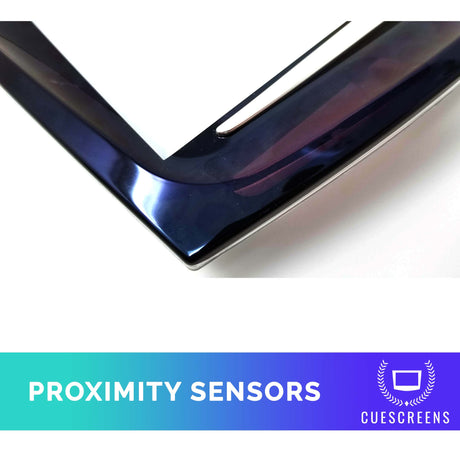
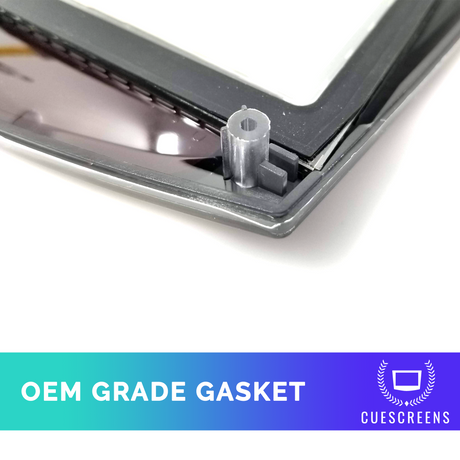
If your GM SUV’s 12.6" rear seat entertainment screen is cracked, blacked out, flickering, or completely unresponsive, you’re not alone. These factory-installed displays are a common failure point across many Chevrolet, GMC, and Cadillac SUVs—especially vehicles exposed to heat, frequent passenger use, or long road trips.
The good news? In most cases, you do not need to replace the entire rear entertainment system. A properly matched screen replacement can restore full functionality at a fraction of dealership cost.
This guide explains the most common failures, how to identify what’s actually broken, and the best replacement options for GM SUVs equipped with 12.6" rear seat entertainment screens.
Common 12.6" Rear Seat Entertainment Failures
Before ordering a replacement, it’s critical to identify what component failed. Replacing the wrong part leads to wasted time, delays, and unnecessary expense.
1. Cracked or Shattered Glass
Cracked screens are typically caused by passenger impact, cargo shifting, or repeated pressure from children.
- Visible cracks or shattered glass
- Touch no longer responds
- Image may still be visible underneath
2. Black Screen or No Display
A completely dead screen is one of the most common complaints.
- Screen remains black when powered on
- Audio may still play through headphones
- No visible backlight
3. Flickering, Lines, or Distorted Image
This failure often worsens over time and is usually heat-related.
- Horizontal or vertical lines
- Intermittent flickering while driving
- Washed-out or discolored image
Best fix: Replace the LCD assembly. These symptoms indicate internal panel failure.
4. Touchscreen Not Responding
If the display image looks normal but touch input does not register:
- Menus cannot be selected
- Touch input is delayed or inaccurate
- Only certain areas respond
Best fix: Most GM 12.6" rear seat units require a complete screen replacement due to bonded construction.
Why Dealership Replacement Is Overkill
Dealerships frequently quote $2,000–$4,000 for rear seat entertainment repairs because they replace the entire module rather than the failed screen.
In most cases:
- The control module is still functional
- No programming is required
- The failure is isolated to the screen
A targeted screen replacement restores factory performance without unnecessary cost.
Best Replacement Options (Ranked)
Option 1: Direct-Fit OEM-Grade Screen Replacement (Recommended)
This is the best option for most GM SUV owners.
- Exact 12.6" size and connector match
- Plug-and-play installation
- No dealer programming required
- Retains factory controls and functionality
Best for: Cracked screens, black displays, flickering, and image distortion.
Option 2: Used or Salvage Screens (Not Recommended)
Used screens are often pulled from salvage vehicles and carry significant risk.
- Unknown wear and lifespan
- No protection against repeat failure
- Limited or no warranty
While cheaper upfront, this option often costs more long-term.
Option 3: Full System Replacement (Worst Value)
This should only be considered if there is:
- Severe wiring damage
- Water intrusion throughout the system
- Confirmed control module failure
For screen-related issues, full system replacement is unnecessary.
How to Avoid Ordering the Wrong Screen
Before purchasing, confirm the following:
- Measure the screen diagonally (must be 12.6")
- Confirm vehicle year, make, and model
- Verify rear seat entertainment (not front infotainment)
- Match connector layout if possible
DIY vs Professional Installation
DIY Installation
- 45–90 minutes
- Basic trim tools required
- No dealer tools or coding
Professional Installation
- Ideal if you prefer hands-off repair
- Far cheaper than dealership service
You can also find help through our nationwide installer network.
TL;DR
If your GM SUV’s 12.6" rear seat entertainment screen is failing, the most cost-effective and reliable solution is a direct-fit replacement screen.
You’ll restore factory functionality, avoid dealership markups, and get your rear entertainment system road-trip ready again—without replacing what isn’t broken.

![[Premium] Upgraded Gel-Free Cadillac CUE Replacement Touch Screen Display-Cuescreens](http://www.cuescreens.com/cdn/shop/files/7c1892_b5fcaf040dfe42abb289e47b1fa91ab9_mv2.png?v=1738265347&width=460)


![[Premium] Upgraded Gel-Free Cadillac CUE Replacement Touch Screen Display-Cuescreens. Supports Proximity Sensors.](http://www.cuescreens.com/cdn/shop/files/7c1892_7faa9297eab444d5a99838357b9c178c_mv2.png?v=1764720901&width=460)