Is your Chrysler 300 Uconnect screen acting possessed? From "ghost touching" to delamination, we break down the symptoms, causes, and the best way to fix your Chrysler 300 touchscreen for good.
Common Chrysler 300 Uconnect Touchscreen Issues
The Chrysler 300 is known for its bold styling and comfortable interior, but many owners of the 2017-2022 models have encountered a frustrating flaw: a failing 8.4-inch Uconnect touchscreen. If you are experiencing glitches, you aren't alone. These problems usually fall into three categories.
1. Ghost Touching (Random Beeping and Screen Jumps)
Ghost touching is perhaps the most annoying Chrysler 300 screen issue. This happens when the infotainment system registers "touches" that aren't happening. Your radio might change stations, the navigation might input random destinations, or the climate control might adjust itself while you're driving. It’s not a software bug; it’s a hardware failure.
2. Screen Delamination (Bubbles and Peeling)
If you look at your screen and see what looks like air bubbles, liquid, or a foggy appearance behind the glass, your screen is delaminating. This occurs when the adhesive bond between the digitizer and the LCD panel begins to separate. Often, this is triggered by heat or humidity, and it eventually leads to total touchscreen unresponsiveness.
3. Unresponsive or Frozen Display
In some cases, the screen simply stops responding to touch altogether. While the backup camera or physical volume knobs might still work, the digital interface becomes a paperweight. Owners often try a "soft reset" (holding the power and tune buttons), but for hardware-related failures, this is usually only a temporary fix.
Why Do Chrysler 300 Screens Fail?
The root cause is almost always the LG-manufactured 8.4-inch display used in these vehicles. The original factory adhesive used to bind the screen layers is prone to breaking down over time. When the glue liquifies, it creates the "bubble" effect (delamination) and interferes with the electrical signals of the digitizer, causing "ghost touches."
The Cost of Repair: Dealership vs. DIY
When you take a Chrysler 300 to a dealership for touchscreen problems, they typically offer one solution: replacing the entire Uconnect head unit. This can cost anywhere from $1,200 to $2,500. Furthermore, many dealerships install "remanufactured" units that may eventually suffer from the exact same adhesive failure.
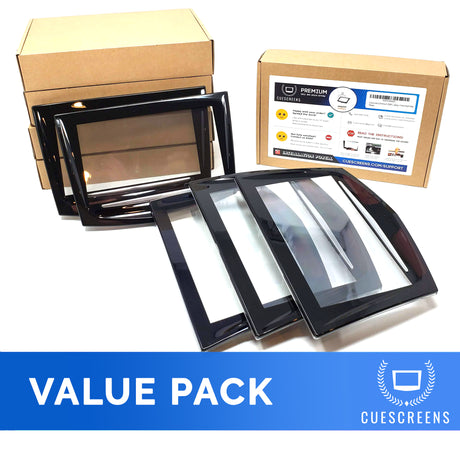
The smarter, more cost-effective alternative is replacing just the LCD Touchscreen Digitizer. By replacing the faulty component with a high-quality part from Cuescreens, you save over $1,000 and fix the problem at its source.
How to Fix Your Chrysler 300 Touchscreen
You don't need to be a master mechanic to fix your Uconnect system. Here is the general process for restoring your Chrysler 300 infotainment system:
- Identify the Part: Ensure you have an 8.4-inch Uconnect 4C (typically 2017+ models).
- Remove the Trim: Carefully pop off the dashboard trim surrounding the screen.
- Extract the Head Unit: Remove the mounting screws to pull the radio unit out.
- Replace the Screen: Disassemble the unit to swap the old, delaminated screen with a new Cuescreens replacement.
- Reinstall: Put everything back together and enjoy a crystal-clear, responsive display.
Conclusion
Chrysler 300 touchscreen problems like ghost touching and delamination are frustrating, but they don't have to break the bank. Instead of paying thousands for a dealership replacement, you can repair your existing unit with a premium replacement screen. At Cuescreens, we provide the parts and guidance you need to get your Chrysler 300 back to its best.
Ready to fix your screen? Pick up an Upgraded Uconnect 4 / 4C 8.4 for your Chrysler 300 today.
![[Premium] Upgraded Gel-Free Cadillac CUE Replacement Touch Screen Display-Cuescreens](http://www.cuescreens.com/cdn/shop/files/7c1892_b5fcaf040dfe42abb289e47b1fa91ab9_mv2.png?v=1738265347&width=460)


![[Premium] Upgraded Gel-Free Cadillac CUE Replacement Touch Screen Display-Cuescreens. Supports Proximity Sensors.](http://www.cuescreens.com/cdn/shop/files/7c1892_7faa9297eab444d5a99838357b9c178c_mv2.png?v=1764720901&width=460)