If you’ve noticed your car’s touchscreen starting to bubble, peel, or lift from the edges, you’re not alone. This is one of the most common early signs of touchscreen failure in modern vehicles—especially in systems like Cadillac CUE, Subaru Starlink, and other OEM infotainment units.
What looks like a minor cosmetic issue is actually the beginning of a much larger problem. And if left untreated, it almost always gets worse.
What Causes Car Screens to Bubble?
The bubbling you see around the edges of your screen is typically caused by delamination—the separation of layers inside the touchscreen assembly.
Most factory (OEM) touchscreens are built using a gel-based adhesive layer that bonds the glass digitizer to the display beneath it. Over time, this gel begins to break down.
When that happens, you’ll start to see:
- Bubbles forming along the edges of the screen
- A “milky” or cloudy appearance
- Separation between the glass and the display
This is not surface damage—it’s happening inside the screen itself.
Why Bubbling Starts at the Edges
Most bubbling begins at the edges for a reason.
The perimeter of the screen is where the adhesive is most exposed to:
- Heat from direct sunlight
- UV radiation
- Temperature expansion and contraction
As the gel adhesive degrades, the edges are the first place it loses its bond. From there, the separation spreads inward.
This is why many drivers notice small bubbles at first—only to see them grow over time.
Heat Is the Biggest Culprit
Interior car temperatures can easily exceed 140°F in the summer. That kind of heat accelerates the breakdown of gel-based adhesives.
Vehicles parked outside or exposed to direct sunlight daily are especially vulnerable.
Once the adhesive begins to fail, there’s no way to reverse it.
Early Signs of a Failing Touchscreen
Bubbling is often just the beginning. As the delamination progresses, you may also experience:
- Ghost touch (random inputs on the screen)
- Unresponsive areas
- Erratic behavior (apps opening on their own)
If you’re already seeing bubbles, there’s a good chance the touchscreen will continue to degrade.
Common Vehicles Affected
This issue is especially common in vehicles with gel-bonded screens, including:
- Cadillac CUE systems (2013–2020)
- Subaru Starlink touchscreens
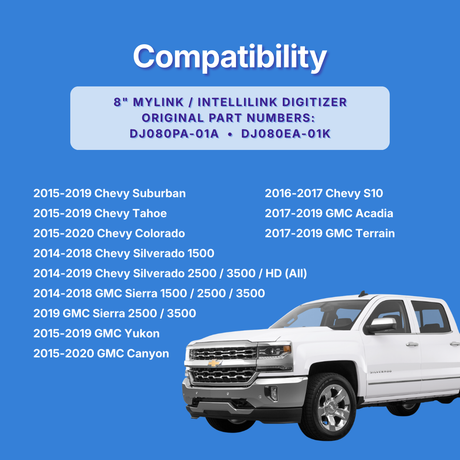
- GM IntelliLink / Chevy MyLink systems
- Other OEM infotainment systems using laminated digitizers
While the symptoms may vary slightly, the root cause is the same: adhesive failure.
Why Dealerships Replace the Entire Unit
When you bring your vehicle to a dealership, they typically recommend replacing the entire infotainment system.
This is because OEM manufacturers don’t service the touchscreen layer separately.
That’s why quotes often range from:
- $1,500 to $3,000+
Even though the issue is usually isolated to the touchscreen digitizer.
The Better Solution: Replace the Digitizer
Instead of replacing the entire unit, you can replace just the failing touchscreen layer.
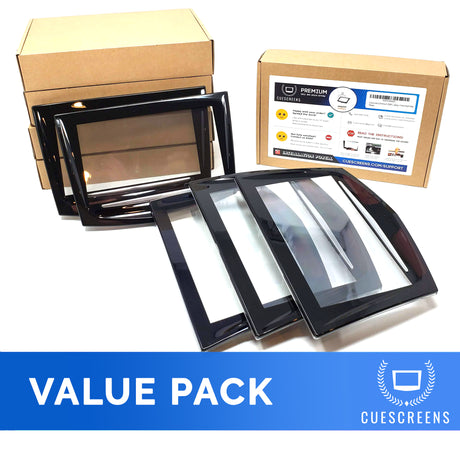
At Cuescreens, our replacement digitizers are designed to:
- Eliminate the failing gel layer
- Restore full touch functionality
- Maintain OEM fit and appearance
- Require no programming or VIN coding
Most importantly, our screens use a gel-free design, which helps prevent the same failure from happening again.
Can You Fix Screen Bubbling Without Replacement?
Unfortunately, no.
Once the adhesive begins to separate, there’s no reliable way to re-bond the layers. Temporary fixes may hide the issue, but they won’t stop it from spreading.
Replacement is the only long-term solution.
How to Prevent Future Screen Failure
While no screen lasts forever, you can slow down the process by:
- Parking in shaded areas when possible
- Using a windshield sunshade
- Avoiding prolonged exposure to extreme heat
That said, if your screen already has bubbling, prevention won’t reverse the damage.
Final Thoughts
Bubbling at the edges of your car’s touchscreen isn’t just cosmetic—it’s a clear sign of internal failure.
The good news is you don’t need to replace your entire infotainment system to fix it.
By replacing just the digitizer with a gel-free alternative, you can restore your screen and avoid the high cost of dealership repairs.
If your screen is already showing signs of bubbling, acting early can save you from more frustrating issues down the road.
About the Author
Daniel Gigante has over 18 years of experience in the automotive industry, with a focus on vehicle technology, infotainment systems, and real-world reliability. He writes about automotive design, touchscreen usability, and how modern technology impacts everyday driving.
![[Premium] Upgraded Gel-Free Cadillac CUE Replacement Touch Screen Display-Cuescreens](http://www.cuescreens.com/cdn/shop/files/7c1892_b5fcaf040dfe42abb289e47b1fa91ab9_mv2.png?v=1738265347&width=460)


![[Premium] Upgraded Gel-Free Cadillac CUE Replacement Touch Screen Display-Cuescreens. Supports Proximity Sensors.](http://www.cuescreens.com/cdn/shop/files/7c1892_7faa9297eab444d5a99838357b9c178c_mv2.png?v=1764720901&width=460)