If your car’s touchscreen is cracked, bubbling, or acting on its own, heat may be the reason. Many modern infotainment systems, especially older OEM units, are vulnerable to high temperatures. In this guide, we’ll break down how heat damages car touchscreens, which vehicles are most affected, and what you can do to prevent it.
How Heat Affects Car Touchscreens
Car interiors can reach extreme temperatures, especially in the summer. On a hot day, interior temperatures can climb to 120°F–140°F within minutes. These conditions put stress on the materials used in factory touchscreens.
Most OEM touchscreens use a layered design that includes:
- A glass outer layer
- A digitizer (touch-sensitive layer)
- An LCD display underneath
- A gel or adhesive layer bonding them together
When exposed to heat, these layers expand at different rates. Over time, this causes stress within the screen, leading to failure.
Common Heat-Related Touchscreen Problems
1. Spider Cracking
Heat can cause internal stress fractures, often starting at the edges of the screen. These cracks spread over time and can look like a spiderweb pattern.
2. Delamination (Bubbling)
Many factory screens use a gel adhesive that breaks down under heat. This leads to visible bubbles or separation between layers.
3. Ghost Touch
One of the most frustrating issues. The screen begins registering touches on its own, opening apps or changing settings without input.
4. Dead Zones or Unresponsive Areas
Heat damage can degrade the digitizer, causing parts of the screen to stop responding entirely.
Why Some Vehicles Are More Affected
Not all touchscreens fail equally. Certain systems are more prone to heat-related damage due to their design.
For example, the Cadillac CUE system (2013–2020) is widely known for:
- Gel-based digitizers that degrade in heat
- Frequent ghost touch issues
- Cracking and delamination over time
Other commonly affected systems include:
- Subaru Starlink (Outback and Legacy 2018–2019)
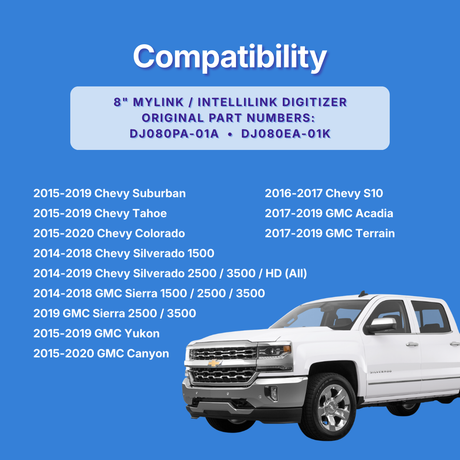
- Chevy and GMC MyLink/IntelliLink systems
- Jeep and Dodge Uconnect systems
Does Heat Alone Crack the Screen?
Heat usually doesn’t cause immediate cracking on its own. Instead, it weakens the internal structure of the screen over time. Once weakened, even minor pressure or temperature changes can cause visible cracks.
Think of it like this: heat sets the stage, and everyday use finishes the job.
How to Prevent Heat Damage
1. Use a Sunshade
A windshield sunshade can significantly reduce interior temperatures and protect your screen.
2. Park in the Shade
Whenever possible, avoid direct sunlight for extended periods.
3. Crack the Windows
Even a small opening can reduce heat buildup inside the vehicle.
4. Avoid Pressing on a Hot Screen
When the screen is extremely hot, it is more fragile. Avoid applying pressure until it cools down.
What to Do If Your Screen Is Already Damaged
If your screen is cracked, bubbling, or experiencing ghost touch, you have two main options:
- Dealership Replacement: Often involves replacing the entire unit, costing $1,500–$3,500
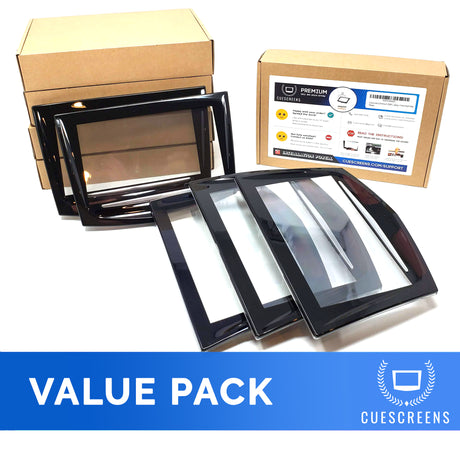
- Touchscreen Replacement: Replacing just the digitizer or screen at a fraction of the cost
Many drivers choose upgraded replacement touchscreens that eliminate the original design flaws, such as gel-free digitizers that are more resistant to heat.
Final Thoughts
Yes, heat can absolutely damage and contribute to cracking in car touchscreens. While it may not cause immediate failure, prolonged exposure weakens the screen and leads to issues like ghost touch, bubbling, and cracking.
If you’re already seeing signs of failure, it’s usually not a matter of if it will get worse, but when. Addressing the issue early can save you money and frustration.
About the Author
Daniel Gigante has over 18 years of experience in the automotive industry, with a focus on vehicle technology, infotainment systems, and real-world reliability. He writes about automotive design, touchscreen usability, and how modern technology impacts everyday driving.
![[Premium] Upgraded Gel-Free Cadillac CUE Replacement Touch Screen Display-Cuescreens](http://www.cuescreens.com/cdn/shop/files/7c1892_b5fcaf040dfe42abb289e47b1fa91ab9_mv2.png?v=1738265347&width=460)


![[Premium] Upgraded Gel-Free Cadillac CUE Replacement Touch Screen Display-Cuescreens. Supports Proximity Sensors.](http://www.cuescreens.com/cdn/shop/files/7c1892_7faa9297eab444d5a99838357b9c178c_mv2.png?v=1764720901&width=460)