If your car’s touchscreen is bubbling, separating, or developing “ghost touch,” humidity may be the hidden cause. While heat often gets the blame, humidity plays an equally important role in accelerating screen delamination—especially in hot climates where both factors combine.
What Is Screen Delamination?
Modern infotainment systems are built in layers. These typically include:
- Protective glass surface
- Touch-sensitive digitizer
- LCD display
- Optical Clear Adhesive (OCA) or gel layer bonding them together
Delamination happens when the adhesive layer begins to break down, causing the layers to separate. This leads to visible bubbles, cracks, unresponsive areas, and erratic touch behavior.
Why Humidity Makes It Worse
Humidity introduces moisture into the air—and that moisture can slowly penetrate the edges of your screen. Once inside, it begins to weaken the adhesive layer holding the screen together.
Here’s how humidity accelerates the process:
1. Moisture Infiltration
Even sealed screens are not completely airtight. Over time, moisture enters through microscopic gaps around the edges, especially in aging units. This moisture disrupts the adhesive bond.
2. Adhesive Breakdown
The gel or OCA used in many factory screens is sensitive to environmental conditions. High humidity softens the adhesive, making it less effective at holding layers together.
3. Heat + Humidity = Faster Failure
In hot climates, interiors regularly reach 120°F–140°F. When combined with high humidity, the adhesive degrades much faster. Heat expands materials, while moisture weakens the bond—creating the perfect conditions for delamination.
4. Repeated Expansion Cycles
Daily heating and cooling cycles cause materials to expand and contract. Moisture trapped inside the screen amplifies this stress, speeding up separation.
Signs Humidity Is Damaging Your Screen
- Bubbling or “spiderweb” patterns under the glass
- Cloudy or hazy areas that spread over time
- Unresponsive touch zones
- Phantom inputs (ghost touch)
- Cracking in consistent areas (often near edges)
Which Vehicles Are Most Affected?
Vehicles with known adhesive issues are especially vulnerable in humid climates. This includes many models with gel-based screens, such as Cadillac CUE systems, certain Subaru Starlink units, and various 2016–2020 infotainment systems across multiple brands.
Why Dealership Fixes Don’t Solve the Root Problem
Dealerships often replace the entire infotainment unit instead of just the failing layer. However, many replacement units use the same adhesive design—meaning the problem can return, especially in humid environments.
How to Prevent Screen Delamination
- Park in shaded or covered areas whenever possible
- Use a windshield sunshade to reduce interior heat
- Crack windows slightly to reduce moisture buildup
- Avoid prolonged exposure to extreme heat and humidity
A Better Solution: Gel-Free Screens
The root cause of delamination is the adhesive layer itself. That’s why newer solutions have moved away from gel-based designs entirely.
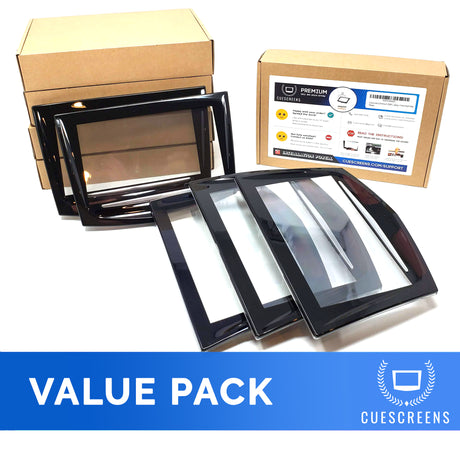
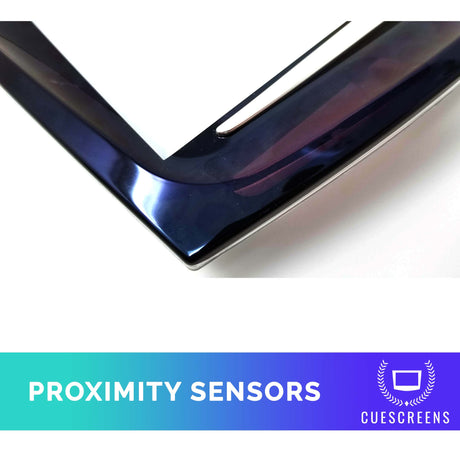
At Cuescreens, our replacement touchscreens are engineered without the failure-prone gel layer. This eliminates the primary cause of delamination, resulting in a clearer, more responsive, and longer-lasting screen—especially in hot and humid climates.
Final Thoughts
Humidity doesn’t just contribute to screen failure—it accelerates it. When combined with heat, it creates the exact conditions that cause adhesive breakdown and delamination.
If your screen is already showing signs of failure, it’s not going to fix itself—and in humid environments, it will only get worse over time. Identifying the root cause early can save you from a full system replacement down the line.
About the Author
Daniel Gigante has over 18 years of experience in the automotive industry, with a focus on vehicle technology, infotainment systems, and real-world reliability. He writes about automotive design, touchscreen usability, and how modern technology impacts everyday driving.
![[Premium] Upgraded Gel-Free Cadillac CUE Replacement Touch Screen Display-Cuescreens](http://www.cuescreens.com/cdn/shop/files/7c1892_b5fcaf040dfe42abb289e47b1fa91ab9_mv2.png?v=1738265347&width=460)


![[Premium] Upgraded Gel-Free Cadillac CUE Replacement Touch Screen Display-Cuescreens. Supports Proximity Sensors.](http://www.cuescreens.com/cdn/shop/files/7c1892_7faa9297eab444d5a99838357b9c178c_mv2.png?v=1764720901&width=460)