In the last decade, the dashboard has undergone a radical transformation. What used to be a simple array of plastic buttons and knobs has been replaced by sleek, high-definition glass interfaces. These systems, often referred to as the In-Vehicle Infotainment (IVI) system, are now the primary way we interact with our cars.
However, as these vehicles age, a glaring question arises for many owners: How long is a car touchscreen actually supposed to last? If you are driving a Cadillac, Jeep, Ford, or Lexus, you might find that the "tech-forward" interior isn't as durable as the engine under the hood.
The Industry Standard: Average Lifespan of OEM Touchscreens
Technically speaking, most automotive manufacturers (OEMs) design their electronic components to last the "life of the vehicle," which in engineering terms usually means 10 years or 150,000 miles. However, real-world data suggests a different story.
While the internal computer (the Human Machine Interface or HMI module) can often last a decade or more, the digitizer—the touch-sensitive glass layer—often begins to degrade much sooner. Many owners report significant failures in as little as 4 to 7 years.
Top 4 Reasons Why Vehicle Touchscreens Fail Prematurely
Unlike the tablet or smartphone in your pocket, a car screen is subjected to an incredibly hostile environment. Here is why OEM screens often fall short of their 10-year goal:
1. Thermal Cycling and "Gel" Failure
Many OEM screens (specifically Cadillac CUE systems) utilize a layer of optical gel between the glass and the LCD. In a vehicle, temperatures can swing from sub-zero nights to 140°F+ dashboard temps in the afternoon. This thermal cycling causes the gel to expand and contract. Eventually, the seal breaks, leading to "spider-webbing" or delamination.
2. UV Degradation
Standard consumer electronics aren't sitting under a windshield for 8 hours a day. Ultraviolet rays break down the chemical bonds in the adhesives and plastics used in the digitizer. This leads to the screen becoming brittle or developing a yellow tint.
3. Capacitive Sensing Drift (Ghost Touching)
Most modern cars use capacitive touchscreens. These work by detecting the electrical conductive properties of your skin. Over time, internal components like capacitors or ribbon cables can degrade due to humidity and vibration, causing the system to register "phantom" presses. This is commonly known as Ghost Touching.
4. Mechanical Stress and Vibration
Every pothole and speed bump sends micro-vibrations through the dashboard. Over several years, these vibrations can cause microscopic cracks in the solder joints of the screen’s controller board, leading to dead zones where the screen no longer responds to input.
Comparing Screen Longevity: OEM vs. Cuescreens Upgrades
| Feature | Factory OEM Screen | Cuescreens Upgraded Replacement |
|---|---|---|
| Adhesive Type | Gel-based (Prone to leaking) | Gel-Free / Solid-State Design |
| Heat Resistance | Standard Automotive Grade | Enhanced Thermal Tolerance |
| Average Lifespan | 5–8 Years | Designed for 10+ Years |
| Common Issue | Spider-webbing & Ghost touches | Eliminates delamination risk |
How to Tell if Your Touchscreen is Failing
If you aren't sure if your screen is nearing the end of its life, look for these symptoms:
- Visual Bubbles: It looks like there is water trapped behind the glass.
- The Unresponsive Strip: A horizontal or vertical section of the screen stops reacting.
- Erratic Behavior: The radio changes stations or the navigation zooms in and out by itself.
- Shattered Internal Appearance: The screen looks cracked internally, even though the surface is smooth to the touch.
The Dealership Myth: "You Need a Whole New Radio"
This is the most common misconception in automotive repair. When a screen fails, a dealership will typically tell you that the entire "head unit" or "infotainment module" must be replaced. They will quote you anywhere from $1,200 to $3,500 for the part and labor.
The Truth: In 95% of cases, the computer (the expensive part) is perfectly fine. It is only the touchscreen digitizer that has failed. Replacing just the glass layer is a fraction of the cost and produces the exact same result.
Final Thoughts: Is It Worth Replacing?
If your car is otherwise in great shape, a failing touchscreen is a major blow to the vehicle's resale value and your daily driving experience. Fortunately, you don't have to settle for a flawed OEM replacement that will likely fail again in five years.
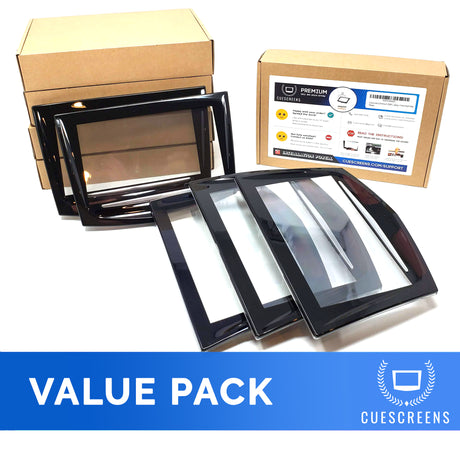
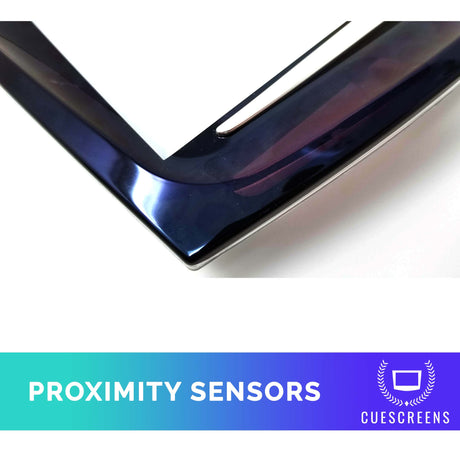
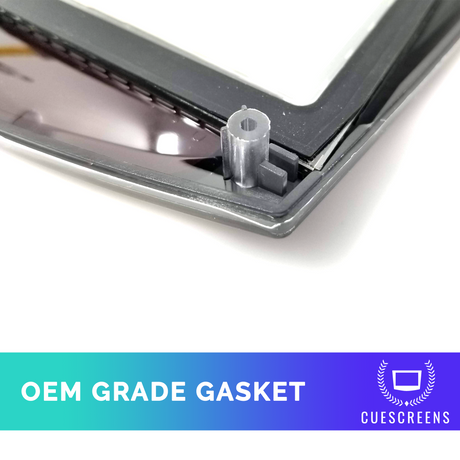
At Cuescreens, we specialize in providing high-quality, gel-free replacement screens that solve the engineering flaws of the original factory parts. Whether you drive a Cadillac, Jeep, or Toyota, we provide the tools and parts you need to restore your dash to better-than-factory condition.
![[Premium] Upgraded Gel-Free Cadillac CUE Replacement Touch Screen Display-Cuescreens](http://www.cuescreens.com/cdn/shop/files/7c1892_b5fcaf040dfe42abb289e47b1fa91ab9_mv2.png?v=1738265347&width=460)


![[Premium] Upgraded Gel-Free Cadillac CUE Replacement Touch Screen Display-Cuescreens. Supports Proximity Sensors.](http://www.cuescreens.com/cdn/shop/files/7c1892_7faa9297eab444d5a99838357b9c178c_mv2.png?v=1764720901&width=460)