If your infotainment screen is cracked, frozen, or unresponsive, the short answer is yes, it's usually worth fixing before you list the car. A broken touchscreen gets treated by both dealers and private buyers as a sign of neglect, not just a missing feature, and it shows up in lower offers. The exception is when the only repair option you've been quoted is a dealer-level head unit replacement that costs more than the value it would recover.
Why a Broken Touchscreen Hurts Your Asking Price
A malfunctioning infotainment system doesn't get evaluated as a standalone tech feature. It gets folded into the same bucket as torn seats, stained carpet, and dashboard warning lights, the interior condition signals that buyers and appraisers use to judge how well a car was maintained overall. Dealers appraising trade-ins specifically call out broken controls and infotainment issues as factors that lower trade-in offers, right alongside damaged upholstery and odors.
The logic isn't really about the screen itself. It's about what the screen implies. An appraiser who sees one neglected system starts wondering what else wasn't taken care of, even if the rest of the car is in good shape. That assumption costs you money before any negotiation even starts.
What Private Buyers Actually Do During a Test Drive
If you're selling to another person rather than trading in, the touchscreen comes up differently, but it still comes up. A test drive isn't just about how the car handles. Buyers are checking that the features they're paying for actually work: navigation, Bluetooth, backup camera display, climate controls if they're routed through the screen. A screen that's frozen, ghost-touching, or completely black gets noticed in the first five minutes, and there's no way to talk around it once it's sitting in front of them.
At that point you have two options. Fix it before you list the car, or disclose it and adjust your price down to account for it. What doesn't work is hoping the buyer won't try the screen during their walkthrough. They will, and finding an undisclosed problem mid test drive tends to do more damage to the deal than the problem itself, because now the buyer is wondering what else you didn't mention.
Running the Actual Math
This is where the decision usually comes down to one number: what is the repair actually going to cost you?
If you've only gotten a dealer quote for a full head unit replacement, the math can get ugly fast on an older car. Dealer parts and labor for infotainment systems can run well into four figures depending on the platform, and spending that much to fix a screen on a car worth a fraction of that price doesn't make sense. In that scenario, you're better off disclosing the issue and pricing the listing to reflect it.
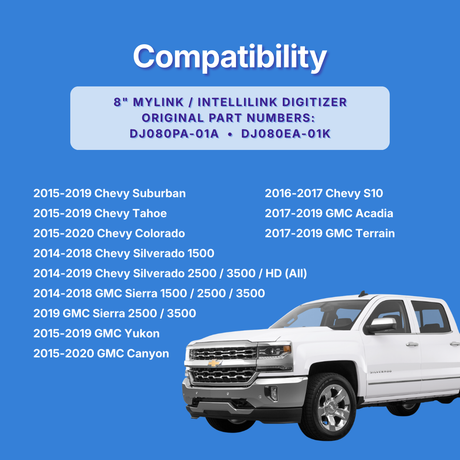
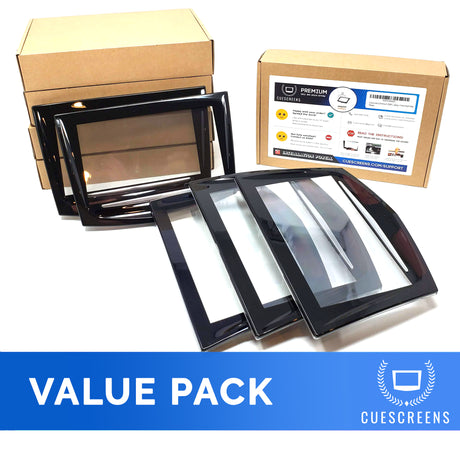
But a dealer quote for a full module replacement isn't the only option in most cases. On many platforms, the touchscreen and digitizer can be replaced as a standalone part without swapping the entire head unit or sending the car in for dealer programming. That's a different cost conversation entirely, and it's usually the more relevant comparison for sellers trying to decide if a fix is worth it.
Before you decide either way, get a real number for what your car is worth in its current condition. Kelley Blue Book is a reasonable starting point for a private-party value estimate. Compare that to your repair quote, and the decision usually makes itself.
When Fixing It Is the Clear Move
- The car has meaningful resale value and a broken screen would be the most obvious flaw a buyer notices
- A direct-fit replacement part is available for your specific screen, without requiring a full head unit swap or dealer programming
- You're planning to list within the next few weeks and want to avoid pricing objections during negotiation
- The issue is isolated to the screen itself (cracked glass, dead zones, ghost touch, no backlight) rather than a deeper electrical fault
When It's Not Worth Fixing
- The only available repair is a full dealer head unit replacement priced well above what the fix would return in sale price
- The car has other significant issues that will dominate the buyer's negotiation regardless of the screen
- You're selling as-is to a flipper or wholesale buyer who is pricing based on the car's overall condition rather than individual features
OEM vs. Aftermarket: Does It Matter for Resale?
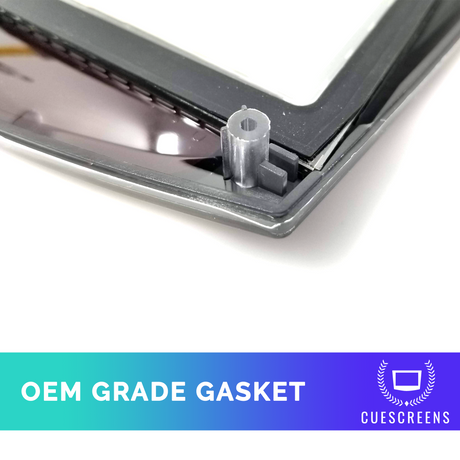
Sellers sometimes assume a non-dealer replacement part will hurt them at sale time. In practice, what private buyers and appraisers care about most is whether the part works correctly and looks like it was installed properly, not strictly its point of origin. A clean, professional-looking fit holds up fine in a used car evaluation. A poor-quality part with visible gaps, lag, or a sloppy install is what actually raises red flags, regardless of whether it's labeled OEM or not.
If you're going the replacement route, prioritize a direct-fit part designed for your exact screen and model year over a cheap generic option. The goal is for the screen to look and function like nothing was ever wrong with it.
The Bottom Line
A broken touchscreen is one of the few interior issues that almost always gets noticed and almost always costs you in negotiation, whether you're trading in or selling private party. If a direct-fit replacement is available at a reasonable cost relative to your car's value, it's generally worth doing before you list. If your only quote is a dealer-priced full module swap on a car that doesn't justify it, disclose the issue, price accordingly, and let the buyer factor it in themselves.
Browse Cuescreens to see if a direct-fit replacement is available for your vehicle's screen at cuescreens.com.
Frequently Asked Questions
Does a broken touchscreen lower a car's resale value?
Yes. Dealers and private buyers both treat a malfunctioning infotainment screen as a sign of poor maintenance, separate from how it affects mechanical inspection. It gets grouped with torn upholstery and dashboard warning lights as an interior condition issue that lowers offers.
Is it worth fixing a car touchscreen before selling privately?
Usually yes, if the repair cost is reasonable relative to the car's value. A working screen lets the buyer test the features they expect to use during a test drive without raising doubts about what else might be neglected. The math changes if you're quoted dealer-level repair costs, since that can exceed what the fix actually returns in sale price.
What do private car buyers check when test driving?
Most buyers test the touchscreen along with the rest of the interior during a test drive, checking that touch response, navigation, and connected features work. A frozen, cracked, or unresponsive screen during that test is the kind of issue that invites a lower offer or a walk-away, especially without a clear explanation.
Should I disclose a broken touchscreen to a private buyer?
Yes. Buyers test the infotainment system directly during inspection, so a non-functioning screen will be discovered either way. Disclosing it upfront and pricing accordingly, or fixing it before listing, both perform better than letting a buyer find it themselves mid test drive.
Does it matter if the replacement screen is OEM or aftermarket when selling a car?
For private-party resale, what matters most to buyers and appraisers is that the part functions correctly and was installed cleanly, not strictly whether it came from the dealer. Quality aftermarket parts that match fit and function are generally treated the same as factory parts in a used car evaluation, as long as the installation looks professional.
![[Premium] Upgraded Gel-Free Cadillac CUE Replacement Touch Screen Display-Cuescreens](http://www.cuescreens.com/cdn/shop/files/7c1892_b5fcaf040dfe42abb289e47b1fa91ab9_mv2.png?v=1738265347&width=460)


![[Premium] Upgraded Gel-Free Cadillac CUE Replacement Touch Screen Display-Cuescreens. Supports Proximity Sensors.](http://www.cuescreens.com/cdn/shop/files/7c1892_7faa9297eab444d5a99838357b9c178c_mv2.png?v=1764720901&width=460)