If your Nissan touchscreen looks like it’s bubbling, peeling, or developing a spiderweb-like pattern under the surface, you are not alone. This is a common problem in many factory Nissan infotainment systems, and in most cases, the real issue is screen delamination.
In this guide, we’ll explain what causes Nissan screen bubbling, how to tell whether your touchscreen is failing, and the best way to fix it without replacing the entire radio.
What Causes a Nissan Screen to Bubble or Delaminate?
Most factory Nissan touchscreens are made with multiple bonded layers. These typically include the outer touch-sensitive digitizer, an adhesive layer, and the display underneath. Over time, heat and sun exposure can cause that adhesive layer to break down.
When that happens, the layers begin to separate. This is called delamination, and it usually shows up as visible bubbling, cloudy patches, strange patterns under the glass, or touch issues that get worse over time.
Why Nissan Touchscreens Fail
The biggest reason is heat. Inside a parked vehicle, cabin temperatures can easily reach 120 to 140 degrees Fahrenheit. That constant heat puts stress on the materials used in the screen, especially the adhesive bonding layer.
UV exposure from direct sunlight can make the issue worse. As the bonding material degrades, the touchscreen may start to look distorted, act unpredictably, or stop responding properly.
In many cases, the problem is not the entire radio or infotainment system. It is the touchscreen digitizer itself.
Common Signs of Nissan Screen Delamination
- Visible bubbles or cloudy spots under the glass
- A spiderweb or cracked-looking pattern beneath the surface
- Touch response that is inaccurate or delayed
- Ghost touch, where the screen presses buttons on its own
- A display that still works even though touch is failing
If your screen still shows an image but the touch function is acting up, that is a strong sign the digitizer is the part that failed.
The Dealership Solution Is Usually Overkill
Many Nissan owners are told they need to replace the entire infotainment unit. That often leads to repair quotes in the $1,200 to $2,500 range or more, depending on the model.
The problem is that dealerships typically replace the whole assembly, even when the real failure is only in the touchscreen layer.
The Real Fix: Replace the Touchscreen Digitizer
In many cases, you do not need to replace the full radio. You can restore function by replacing just the failing touchscreen digitizer.
This is often the most cost-effective fix because it addresses the actual problem while keeping the rest of the factory unit intact.
- Much more affordable than full unit replacement
- Restores proper touch response
- No need to replace working internal components
- No programming required in most cases
- DIY-friendly for many Nissan applications
Why an Upgraded Replacement Matters
Not all replacement screens are the same. Many upgraded replacement digitizers are designed to avoid the same failure points found in the original part.
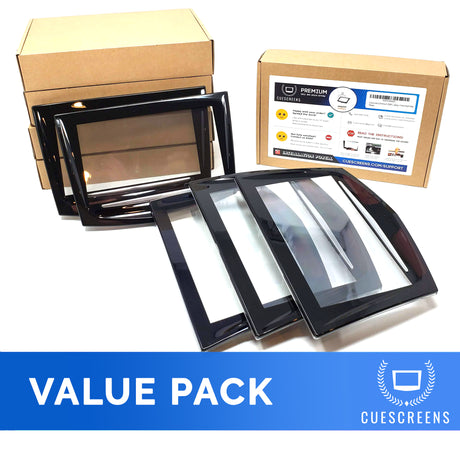
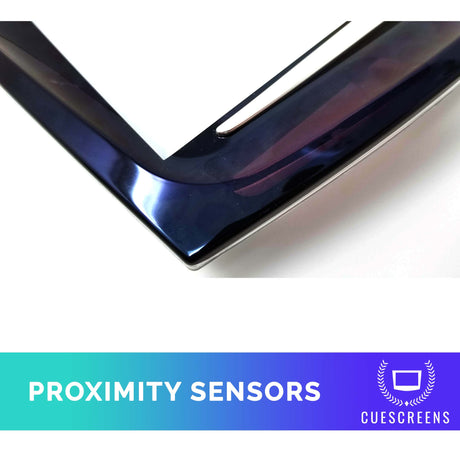
Cuescreens offers premium replacement touchscreens engineered to solve common OEM screen failures like bubbling, ghost touch, and unresponsive inputs. Instead of replacing the entire unit, Nissan owners can replace the failed touchscreen layer with a more durable solution designed for long-term reliability.
For drivers dealing with bubbling or delaminating Nissan screens, this can be a smarter and more affordable alternative to dealership replacement.
Should You Fix It Right Away?
Yes. Once delamination starts, it usually gets worse. What begins as a small bubble or cloudy spot can turn into major touch issues, constant ghost inputs, or a screen that becomes nearly impossible to use.
Fixing it early can help you avoid more frustration and restore normal use of your infotainment system before the screen becomes unusable.
How to Tell if Your Nissan Needs a New Digitizer
Here is a quick checklist:
- The screen looks bubbly, cloudy, or warped
- The display still turns on
- Touch is inaccurate, delayed, or activating on its own
If that sounds like your screen, there is a good chance the digitizer is the failed component and the full unit does not need to be replaced.
Final Thoughts
Nissan screen bubbling or delamination is usually caused by adhesive failure inside the touchscreen assembly. It is a frustrating issue, but it does not automatically mean you need a full infotainment replacement.
In many cases, replacing the touchscreen digitizer is the real fix. It solves the root problem, costs far less than dealership replacement, and can restore your factory screen without replacing parts that still work.
About the Author
Daniel Gigante has over 18 years of experience in the automotive industry, with a focus on vehicle technology, infotainment systems, and real-world reliability. He writes about automotive design, touchscreen usability, and how modern technology impacts everyday driving.
![[Premium] Upgraded Gel-Free Cadillac CUE Replacement Touch Screen Display-Cuescreens](http://www.cuescreens.com/cdn/shop/files/7c1892_b5fcaf040dfe42abb289e47b1fa91ab9_mv2.png?v=1738265347&width=460)


![[Premium] Upgraded Gel-Free Cadillac CUE Replacement Touch Screen Display-Cuescreens. Supports Proximity Sensors.](http://www.cuescreens.com/cdn/shop/files/7c1892_7faa9297eab444d5a99838357b9c178c_mv2.png?v=1764720901&width=460)