It usually starts small. A faint bubble in the corner of your screen. A slight ripple along the edge. Easy to ignore. Easy to delay.
But that small bubble isn’t cosmetic — it’s the beginning of total failure.
What That “Small Bubble” Actually Means
Most factory-installed car touchscreens use a layered design that includes a glass surface, a digitizer (the touch-sensitive layer), and an LCD display underneath. These layers are bonded together using a gel or adhesive.
Over time — especially with heat exposure — that bonding material begins to break down. This process is called delamination.
That tiny bubble you see? It’s the first visible sign that the bond is failing.
Why It Always Gets Worse
Delamination doesn’t stop. Once the bond starts separating, it spreads. Heat, pressure, and normal use accelerate the process.
- The bubble grows larger
- Touch sensitivity becomes inconsistent
- “Ghost touch” starts — random inputs without touching the screen
- Eventually, parts (or all) of the screen stop responding
What looked like a minor issue becomes a completely unusable system.
The Wait and See Mistake
Most people fall into the same trap:
“It’s small. I’ll deal with it later.”
But waiting doesn’t save money — it usually costs more.
Here’s why:
- You lose full functionality of your infotainment system
- Controls like navigation, Bluetooth, and climate may become unusable
- Resale value of your vehicle drops
- Dealerships often recommend replacing the entire unit — not just the screen
By the time most people act, they’re dealing with a fully failed system instead of a simple fix.
Heat Makes It Worse — Fast
Vehicle interiors can reach 120°F to 140°F in the sun. Those temperatures accelerate the breakdown of the bonding layer inside your screen.
This is why bubbling often spreads rapidly during warmer months.
If you’re noticing bubbles now, summer will make it worse.
Common Vehicles Affected
This issue shows up across multiple manufacturers, but some of the most common include:
- Cadillac CUE systems (2013–2020)
- Subaru Starlink systems
- Kia and Hyundai infotainment screens (2016–2020)
- Jeep Uconnect systems
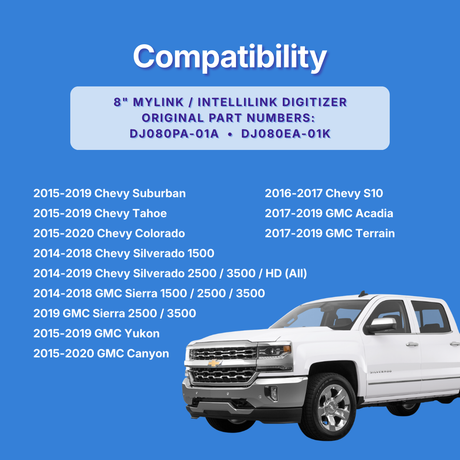
- GM MyLink and IntelliLink units
In many of these systems, the root problem is the same: a gel-based bonding layer that degrades over time.
The Smarter Fix
Dealerships typically replace the entire infotainment unit — often costing $1,500 to $3,000 or more.
But in most cases, the actual failure is just the digitizer layer.
That means you don’t need a full replacement.
You need a better-designed screen.
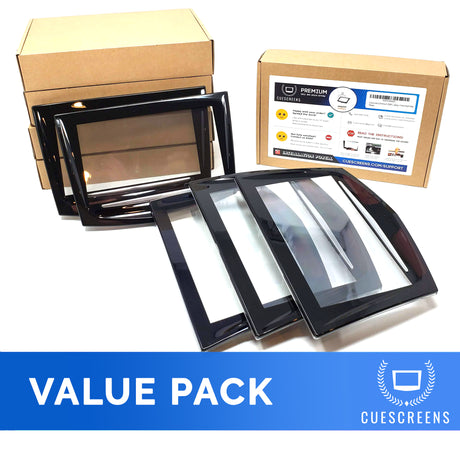
CueScreens replacement touchscreens are engineered without the failure-prone gel layer. They’re designed to:
- Eliminate bubbling and delamination
- Restore full touch responsiveness
- Prevent ghost touch issues
- Install directly without VIN programming
It’s a permanent fix — not a temporary patch.
Don’t Wait Until It Fails
That small bubble is your warning sign.
Not a maybe. Not a cosmetic issue. A warning.
The longer you wait, the worse it gets — and the more disruptive (and expensive) the problem becomes.
If you’re seeing early signs of delamination, the best move is to fix it now — before your screen becomes unusable.
Final Thought
Every failed screen started as a small bubble.
The difference between a quick fix and a major headache is how long you choose to wait.
About the Author
Daniel Gigante has over 18 years of experience in the automotive industry, with a focus on vehicle technology, infotainment systems, and real-world reliability. He writes about automotive design, touchscreen usability, and how modern technology impacts everyday driving.
![[Premium] Upgraded Gel-Free Cadillac CUE Replacement Touch Screen Display-Cuescreens](http://www.cuescreens.com/cdn/shop/files/7c1892_b5fcaf040dfe42abb289e47b1fa91ab9_mv2.png?v=1738265347&width=460)


![[Premium] Upgraded Gel-Free Cadillac CUE Replacement Touch Screen Display-Cuescreens. Supports Proximity Sensors.](http://www.cuescreens.com/cdn/shop/files/7c1892_7faa9297eab444d5a99838357b9c178c_mv2.png?v=1764720901&width=460)